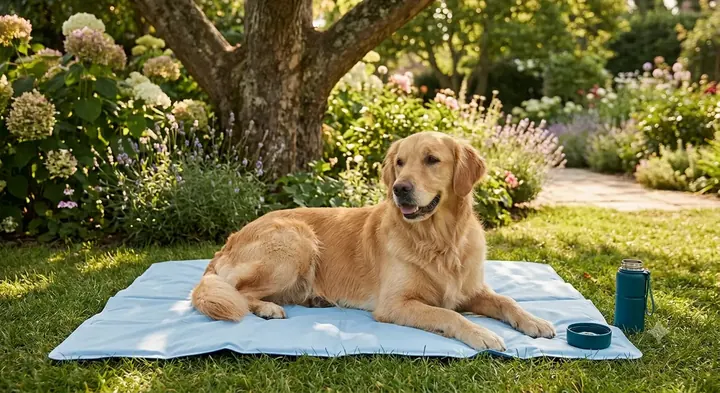
Dog paws in summer: how to prevent burned paw pads
The risky surfaces, the signs to watch for and the right reflexes to protect its paws.
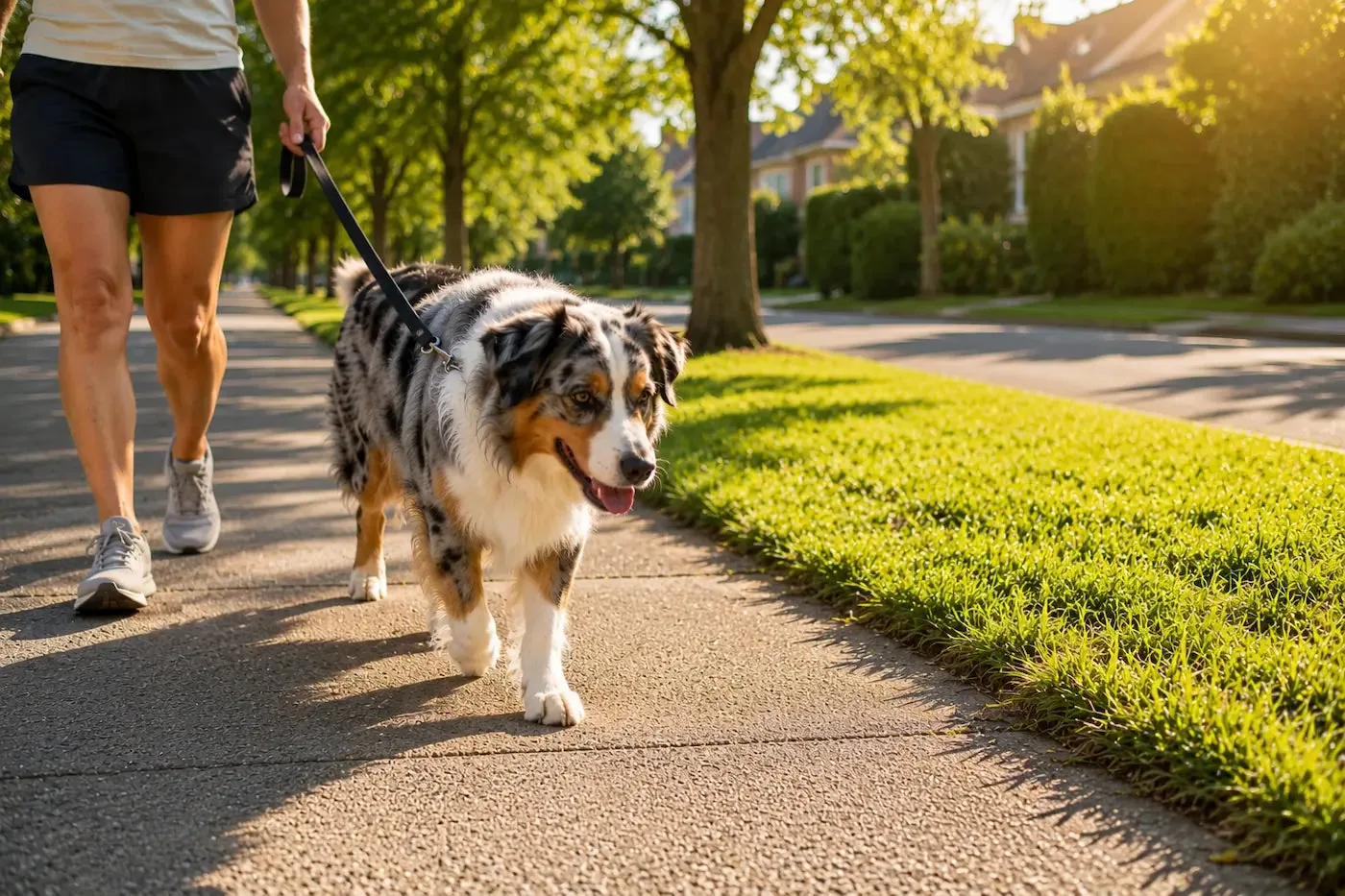
When temperatures climb, we usually think to bring a bottle of water for our dog. Yet another risk often goes unnoticed: the heat of the ground. Some surfaces, like asphalt, concrete or sand, can get hot enough to irritate or burn paw pads in very little time.
Since dogs walk directly on these surfaces, their paws are exposed to the heat. That's why, on the hottest days, prevention is better than cure.
In this article, learn how to recognize risky surfaces, protect your dog and react quickly if it gets burned.
Why can paw pads get burned?
Paw pads protect your dog's feet every time it walks, runs or plays. They absorb shocks, provide grip and help it move across different surfaces. Their skin, thicker than on the rest of the body, holds up well to friction.
That resistance has its limits, though. When a pad stays in contact with a very hot surface, the skin heats up quickly. Prolonged contact can cause irritation or a burn, just like walking barefoot on a scorching sidewalk.
Which surfaces are the most risky?
In the sun, some surfaces get much hotter than others. Here's their risk level in hot weather:
| Surface | Risk level in hot weather |
|---|---|
| Grass | 🟢 Low |
| Dirt | 🟢 Low |
| Shaded gravel trail | 🟡 Moderate |
| Concrete | 🟠 High |
| Dark wood deck | 🟠 High |
| Asphalt | 🔴 Very high |
| Sand | 🔴 Very high |
| Metal surface | 🔴 Very high |
Grass, dirt and shaded trails usually stay cooler. Whenever possible, choose them for your walks.
How can you tell if the ground is too hot?
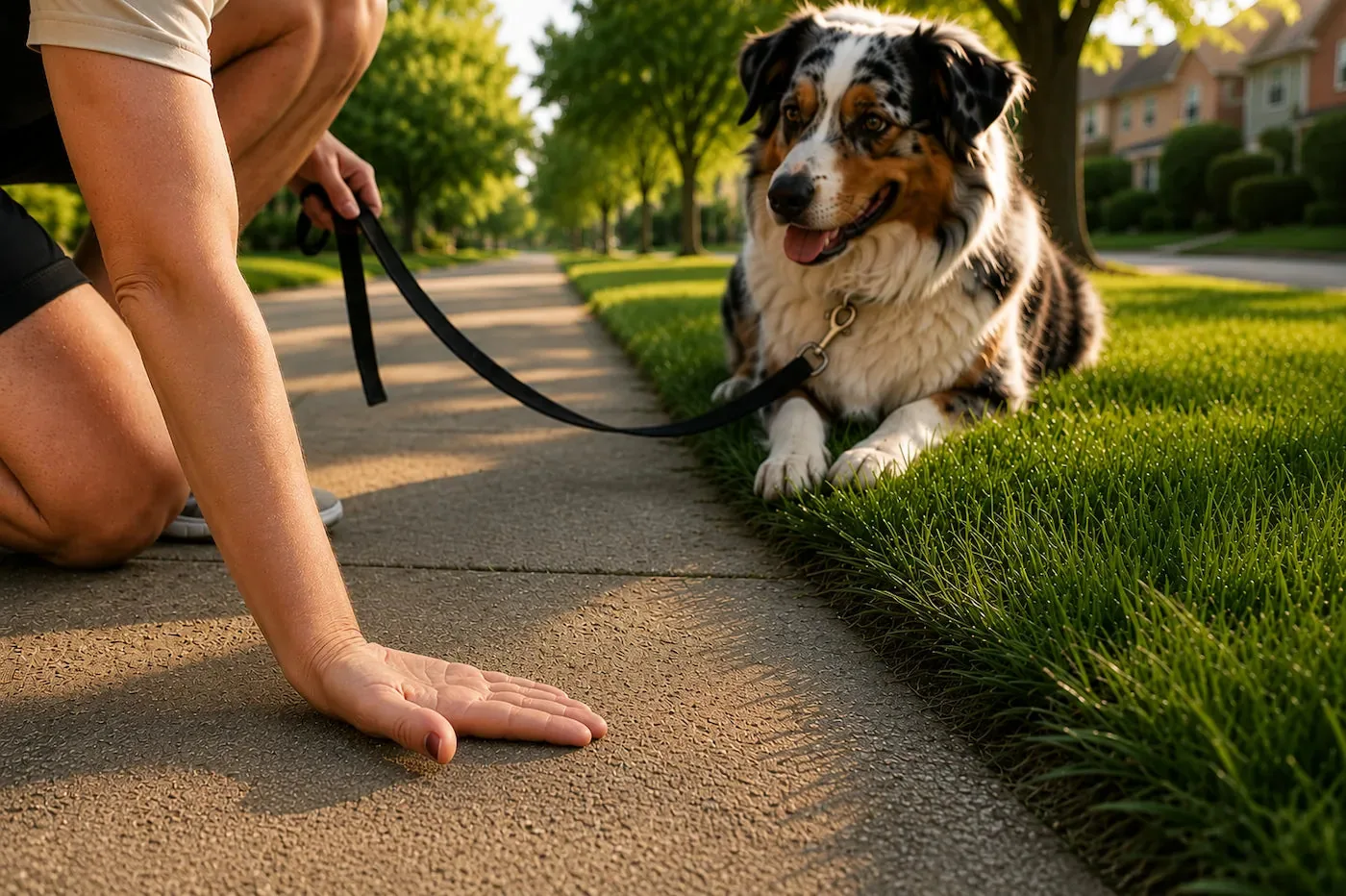
Before heading out, take a moment to check whether the ground is too hot. Here are the reflexes to adopt:
- place the back of your hand on the surface for about 5 seconds
- compare an area in full sun with a shaded area
- watch whether your dog naturally seeks out grass or cooler spots
⚠️ The hand test is useful, but it shouldn't be your only guide. Heat varies with the surface, sun exposure and time of day. When in doubt, choose another route or postpone the walk until the ground has had time to cool down.
Signs of burned paw pads
Burns aren't always easy to spot. A dog may keep walking despite discomfort, or change its behaviour as soon as the pain starts.
Here are the signs that should get your attention:
- limping or avoiding putting a paw down
- slowing down, stopping or refusing to move forward
- repeatedly licking or chewing its pads
- seeking shade
- whining when walking or when you touch its paws
You might notice:
- unusual redness
- skin more sensitive to the touch
- blisters
- cracked or peeling skin
- bleeding in more serious cases
Acting quickly can limit how serious the injury gets and help it heal. If your dog shows significant pain, blisters or an open wound, contact your veterinarian without delay.
💡 Good to know
Burns aren't always visible in the first few minutes. When you get home, make a habit of checking its paws, especially if it seems uncomfortable.
How to protect your dog's paws in summer
Before heading out, make a habit of:
- choosing the coolest times of day, like early morning or evening
- favouring shaded routes
- avoiding long stretches of sun-exposed asphalt or concrete
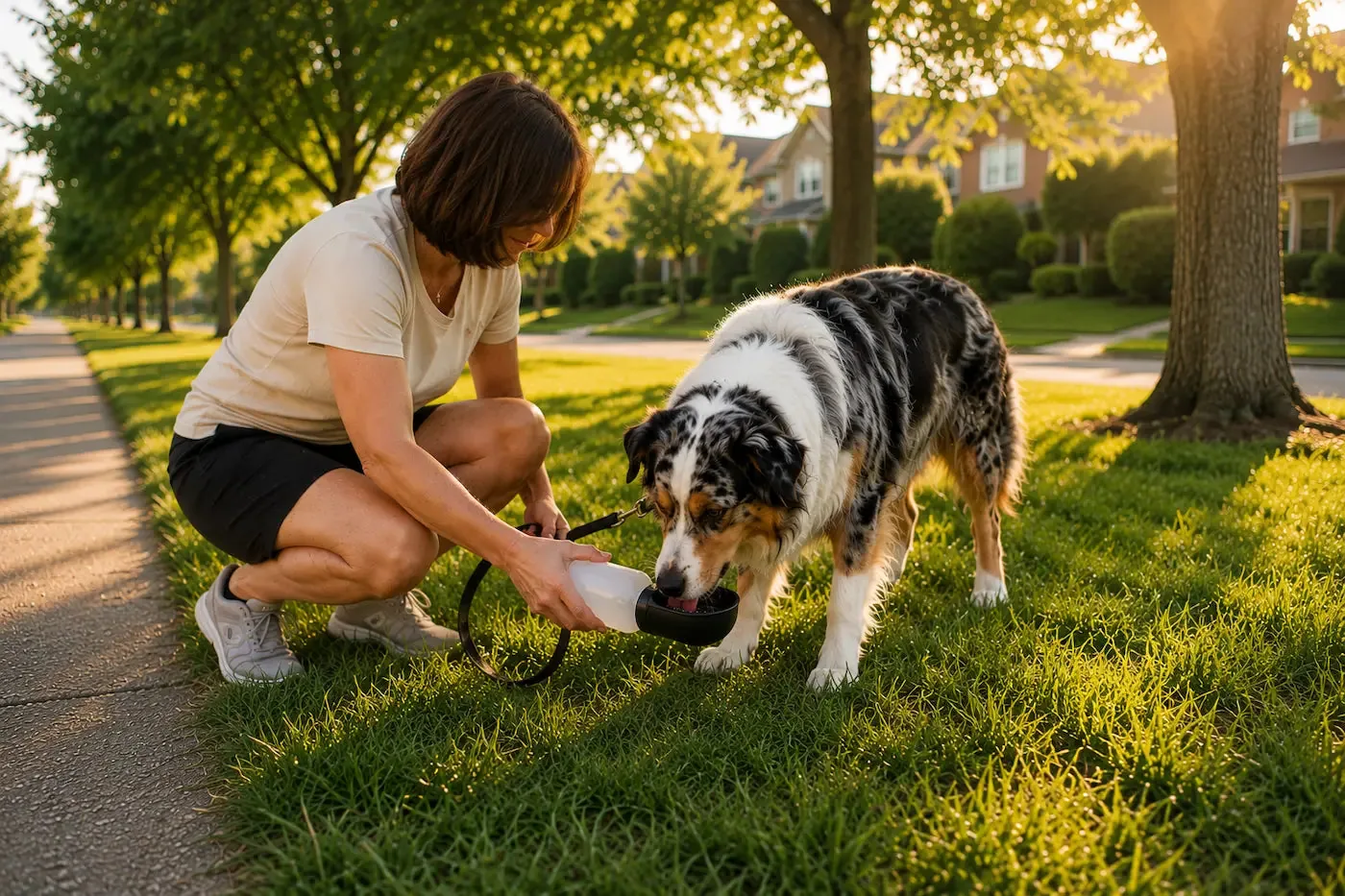
- bringing water so it can stay hydrated
- taking a break in the shade on longer walks
To protect its paws, you can also use:
- a balm to keep pads supple
- boots for very hot surfaces
- adhesive pad protectors for dogs that don't tolerate boots well or for short outings
Also remember to bring a travel water bottle so you can offer it water on the go.
What should you do if its paw pads are burned?
If your dog has burned its paw pads, act quickly. First aid doesn't replace a veterinary visit, but it can keep the injury from getting worse.
Here are the first steps to take:
- bring your dog to a cool place
- gently rinse the paws with cool water, without using ice-cold water
- dry the paws by patting them with a clean towel
- prevent it from licking the injured area
- watch for blisters, bleeding or significant pain
Don't use:
- human creams, ointments or disinfectants without your veterinarian's advice.
These products can further irritate the skin or be toxic if your dog ingests them.
Contact your veterinarian quickly if your dog:
- refuses to walk
- has blisters or open wounds
- is bleeding from a paw
- seems to be in pain despite first aid
The most common mistakes
A few mistakes come up often in hot weather:
- Relying only on the air temperature. It can feel pleasant while the asphalt is already too hot.
- Waiting for the dog to show signs of pain. It may keep walking despite discomfort.
- Crossing an asphalt parking lot without precautions. A few seconds are enough to cause a burn.
- Thinking all surfaces carry the same risk. Grass and shaded areas often stay cooler than asphalt or concrete.
- Continuing the walk despite the first signs of discomfort. It's better to head home and check its paws as soon as possible.
Conclusion
Summer is made for enjoying the outdoors with your dog. By taking a moment to check the ground temperature before heading out, you protect its paws and can enjoy your outings with peace of mind.
🐾 Read next
You might also be interested in these articles:
- Heat waves and dogs: how to help your companion stay cool
- Your dog's travel bag: have you thought of everything?
- Why do dogs sniff so much on walks?
The information in this article is based on recommendations from recognized veterinary organizations, including the American Veterinary Medical Association (AVMA), the American Kennel Club (AKC) and VCA Animal Hospitals.