Heatwaves and dogs: how to help your dog stay cool
The right habits and the first signs of heatstroke.
Summer days invite walks, vacations and outdoor activities. While we look for a bit of shade or a place to cool off, our dogs count on us to help them handle the heat.
Unlike humans, they have a hard time getting rid of excess heat. When a heatwave sets in, their body is put to the test, especially during physical effort or prolonged sun exposure.
Fortunately, simple steps can reduce heat-related risks. In this article, discover how to protect your companion, recognize the first signs of heatstroke and fully enjoy summer together.
Why do dogs handle heat less well?
Unlike humans, dogs don't sweat to release heat. Their main way of cooling down is panting. By panting, they promote the evaporation of moisture in their mouth and airways, which helps their body lose heat.
When the air is very hot or humid, however, this mechanism becomes less effective. Their body temperature can then rise quickly, especially if they run, play or stay in the sun for a long time.
That's why a day that feels simply warm to you can be a real challenge for your companion.
Dogs that need extra attention during a heatwave
All dogs can suffer from the heat, but some are more vulnerable and need special attention.
- Puppies: their body is still developing and they regulate their temperature less effectively.
- Senior dogs: with age, they adapt less easily to high heat and tire more quickly.
- Overweight dogs: excess weight makes it harder to release heat and increases the risk of heatstroke.
- Short-nosed breeds (like the French Bulldog, Pug or Boxer): their anatomy makes panting less effective, which makes cooling down harder.
- Dogs with respiratory or heart problems: their condition can limit their ability to handle effort or high temperatures.
- Dogs with dark or very thick coats: their coat can absorb more heat or slow the release of body heat, depending on its texture and density.
💡 Did you know?
Temperature isn't the only factor to consider. Humidity also plays an important role. When it's high, panting becomes less effective and the dog has a harder time releasing body heat. A hot, humid day can therefore be more draining than a hotter but dry one.
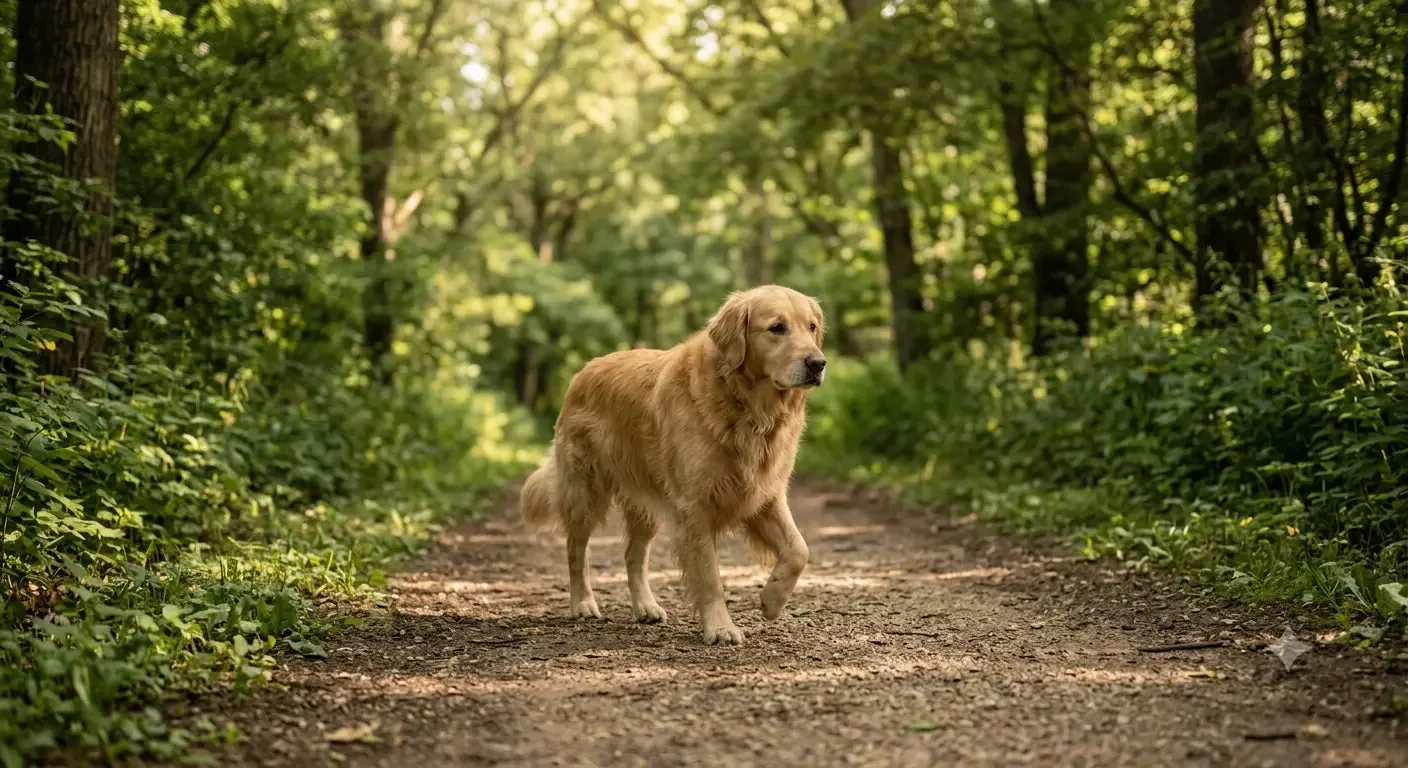
Good habits to help your dog stay cool
When the heat sets in, a few simple steps can help your dog stay comfortable and safe.
Always leave fresh water available
Make sure your dog always has access to fresh, clean water, especially on very hot days. Refresh the water regularly when it's very hot so it stays cool and pleasant to drink.
If you're heading out for a walk or an excursion, bring a dog travel water bottle so it can stay hydrated easily.
Go out early in the morning or in the evening
Temperatures are usually more pleasant early in the morning and after sunset, which reduces heat-related risks.
If possible, choose shaded routes and plan a few breaks so it can recover.
Do the asphalt test
Before heading out, place the back of your hand on the asphalt for about five seconds.
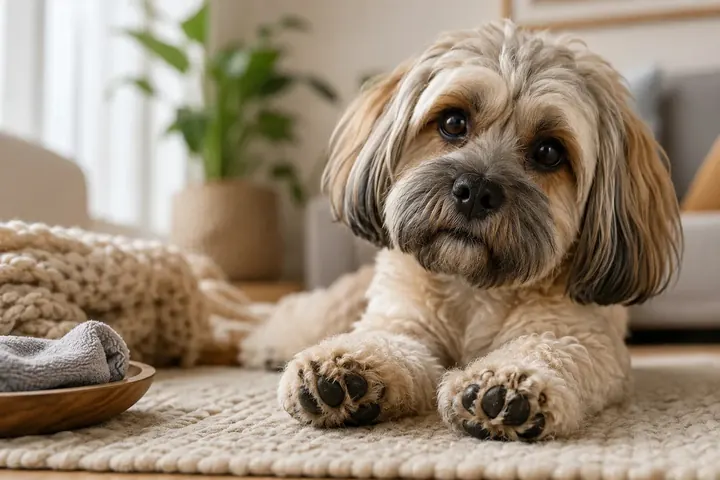
If it's too hot for your hand, it's too hot for your dog's paw pads. A surface heated by the sun can burn paw pads in very little time, even on a short walk.
Adapt games and activities
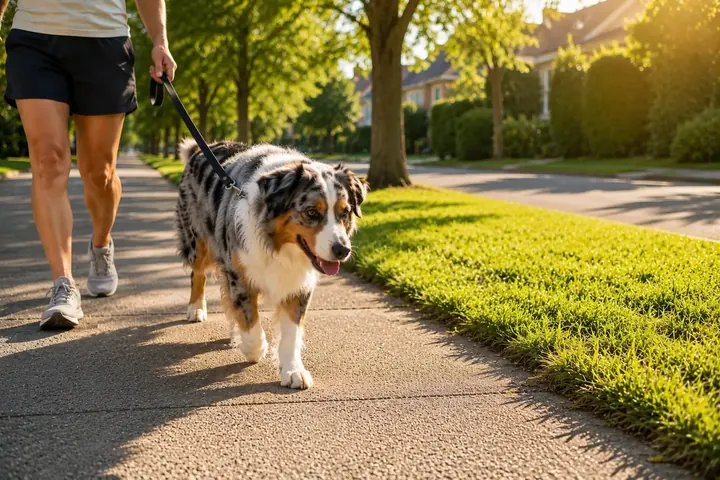
Ball games, long hikes or running sessions take a lot of effort. During a heatwave, it's best to reduce their intensity and plan more breaks.
You can also replace physical activity with an indoor treat-search game, a lick mat or an interactive toy to stimulate your companion.
Give it a cool place to rest
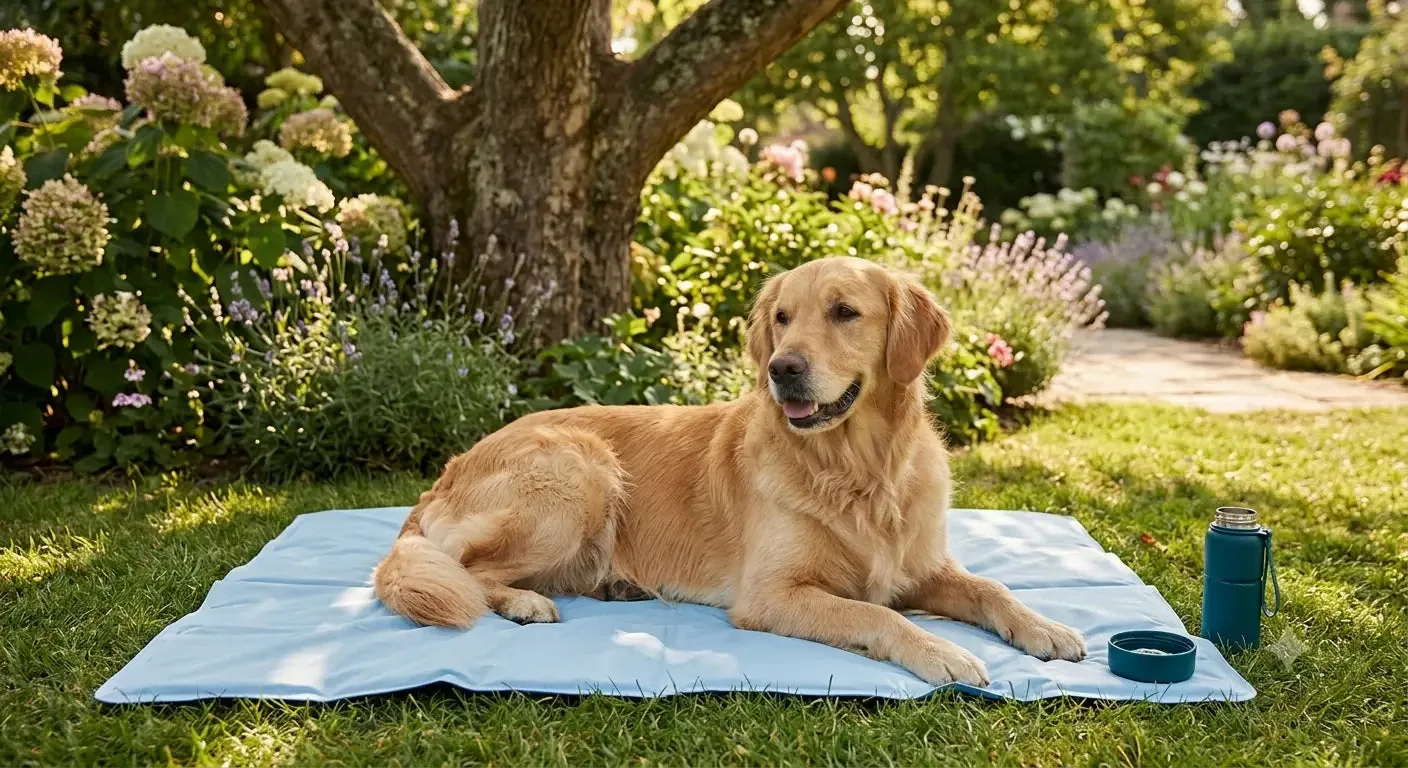
Outdoors, make sure your dog always has access to a shaded area.
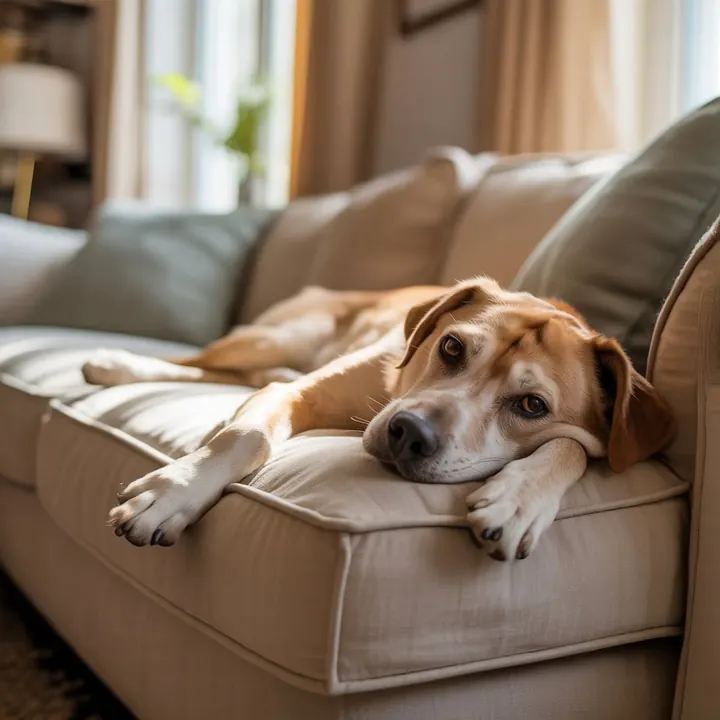
Indoors, a cool floor, a well-ventilated room or a cooling mat can help it handle the heat better.
Also avoid shaving your dog completely without advice from a groomer or veterinarian. Its coat helps protect it from heat and the sun's rays.
Never leave your dog alone in a car
Even with the windows cracked open, the temperature inside a vehicle can climb very quickly and become dangerous.
If you can't bring your dog with you, it's better to leave it comfortably at home than alone in the car, even for a few minutes.
How do you recognize heatstroke?
Despite every precaution, a dog can suffer heatstroke. Knowing how to recognize the first signs lets you act quickly and keep the situation from getting worse.
Watch for the following signs:
- Very intense or unusual panting that doesn't ease after a few minutes of rest.
- Heavy drooling or saliva that's thicker than usual.
- Extreme fatigue, lack of energy or difficulty continuing an activity.
- An unsteady gait, loss of balance or unusual weakness.
- Vomiting or diarrhea.
- Dark red or very pale gums.
- Confusion, unusual behaviour or difficulty responding to its surroundings.
- Collapse or loss of consciousness, which is a veterinary emergency.
⚠️ Heatstroke can progress quickly. The sooner your dog gets care, the better its chances of recovering without complications.
What should you do if your dog shows signs of heatstroke?
If your dog shows these signs, act quickly:
- Move it immediately to a cool, shaded spot, or an air-conditioned space if possible.
- Offer it fresh water, without forcing it to drink.
- Cool its body gradually with cool (not ice-cold) water, focusing on the belly, paw pads and legs.
- Use a fan, if you have one handy, to promote evaporation and help lower its body temperature.
- Contact your veterinarian quickly, even if your dog seems better. Heatstroke can lead to complications that aren't always visible right away.
Conclusion
Summer is made for enjoying the outdoors with your dog. By adapting a few habits on very hot days and watching its behaviour, you can keep sharing great moments together safely.
🧡 Key takeaways
✔ Always give your dog fresh water.
✔ Choose walks early in the morning or in the evening.
✔ Check the asphalt temperature before every outing.
✔ Avoid intense effort during periods of high heat.
✔ Never leave your dog alone in a car.
✔ Learn to recognize the first signs of heatstroke.
Frequently asked questions
At what temperature can a dog suffer from the heat?
There's no precise temperature that's dangerous for every dog. Humidity, activity intensity, age, health and breed also influence their ability to handle heat. As soon as it gets significant, it's best to adapt your dog's activities, especially when humidity is high.
Can I walk my dog during a heatwave?
Yes, but it's best to go out early in the morning or in the evening, when it's cooler. Choose a shaded route, bring water and avoid very hot surfaces.
My dog is panting a lot. Should I worry?
Panting is the main way dogs release heat. However, if it becomes very intense, persists despite rest or comes with other signs like extreme fatigue, vomiting or an unsteady gait, see a veterinarian quickly.
Is a fan enough to cool a dog down?
A fan can improve its comfort, but it doesn't replace access to fresh water, a shaded or air-conditioned spot and rest periods. When a dog shows signs of heatstroke, it's important to start cooling it gradually and contact a veterinarian.
Can you give a dog ice cubes when it's very hot?
Yes. A few ice cubes or cool water can help a dog cool off when it's hot. However, if you suspect heatstroke, avoid cooling it abruptly with ice water or a very cold bath. It's better to cool it gradually with cool water and see a veterinarian quickly.
🐾 Read next
Keep reading with these articles that may also be useful this summer:
- Your dog's travel bag: have you thought of everything?
- The essentials for your dog's well-being
- Why do your dog's paws smell like corn chips?
The information in this article is based on recommendations from the Government of Québec, the Université de Montréal veterinary teaching hospital (CHUV), VCA Animal Hospitals and the American Kennel Club (AKC), to give you reliable, up-to-date advice for caring for your dog during periods of high heat.